
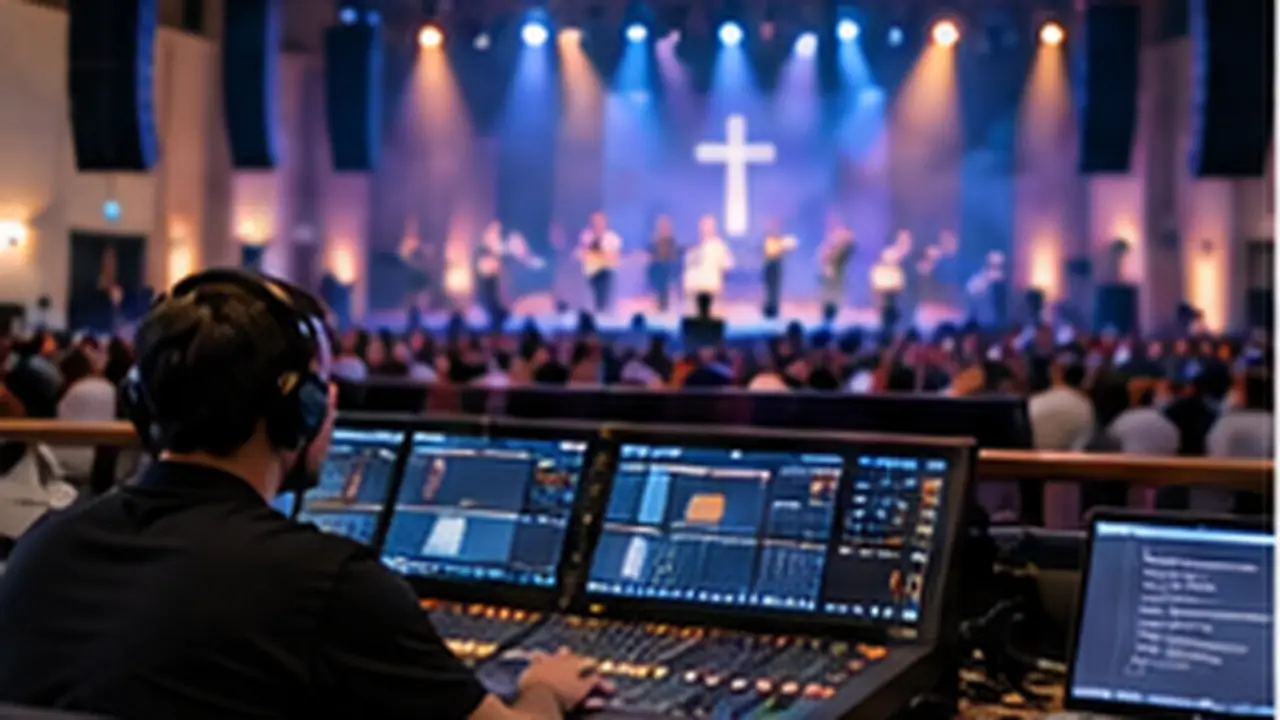
Wireless microphones are where most church sound problems start on a Sunday morning: a dead battery, a pastor’s mic that cuts out at the back of the stage, or a choir that can barely be heard. This guide explains which wireless microphones churches need, how to choose them and how to keep them reliable week after week.
Which microphones does a church need?
Most churches use a mix of wireless and wired microphones:
- Pastor and speakers: a headset or lavalier (clip-on) microphone, so hands are free and the voice stays at a steady distance from the mic.
- Worship leaders and singers: wireless handheld vocal microphones.
- Readers and announcements: a wired or wireless handheld at the lectern or ambo.
- Choir: overhead or stand-mounted condenser microphones, usually wired, placed above and in front of the choir.
- Instruments: wired microphones or direct boxes, since instruments rarely move.
A good rule: use wireless only where people need to move. Wired microphones are cheaper, never need batteries and cannot drop out.
Headset or lavalier for the pastor?
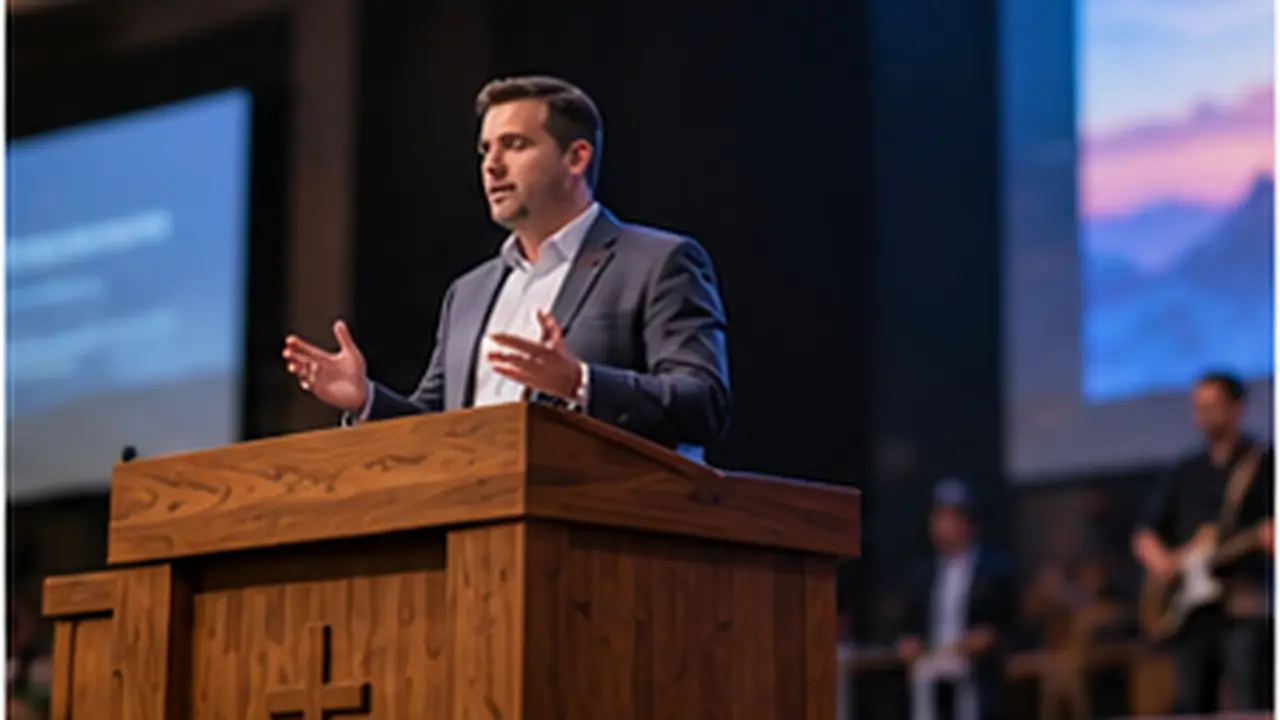
A headset microphone sits close to the mouth, so it picks up more voice and less room sound, and it handles a pastor who turns their head or moves around. A lavalier is less visible but sits farther from the mouth, so it needs more gain and is more likely to cause feedback in a reverberant sanctuary. For most preaching styles, a skin-tone headset is the more reliable choice.
Frequencies: the part most churches get wrong
Wireless microphones share the airwaves with TV stations and other devices. In the United States, the 600 MHz band (617–652 MHz and 663–698 MHz) can no longer be used for wireless microphones, so older systems in those ranges need to be replaced. Today, most professional systems use the UHF TV band below 608 MHz, while some use other ranges such as 1.9 GHz or 2.4 GHz.
Every church location has a different set of local TV channels, so the frequencies that work in Ontario, California will not be the same as in San Diego. Before buying, check which bands are clear where you are, and when you run several microphones at once, have them coordinated so they do not interfere with each other. Modern digital systems from brands like Shure and Sennheiser include tools that scan and assign clean frequencies automatically.
How many wireless channels do you need?
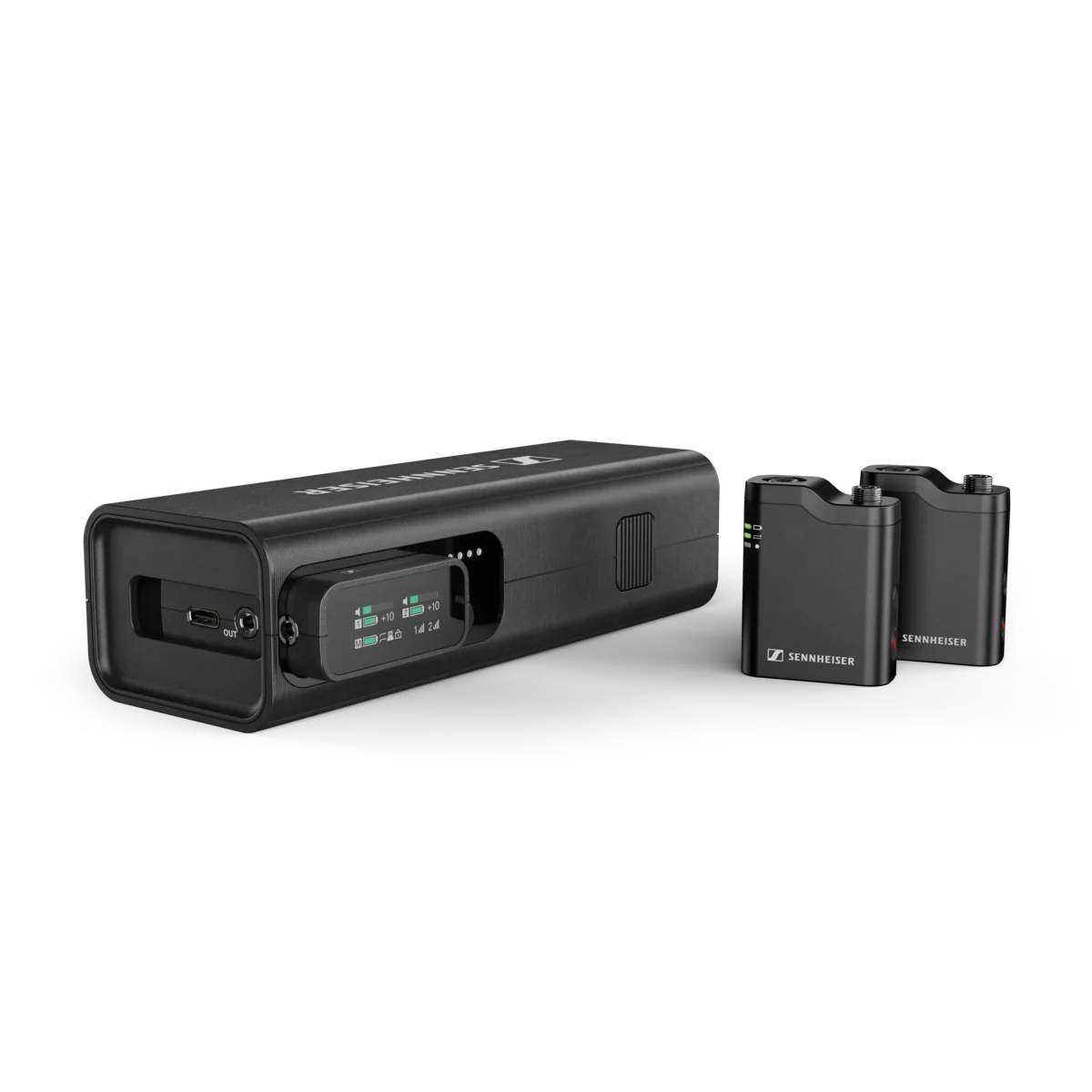
Count the microphones you use at the same time on your busiest service, not the total you own. Then add one or two spare channels for guest speakers, special services and backup. Digital receivers with two or four channels in one unit, with network control, make larger systems easier to manage from the booth.
Batteries and reliability
Most wireless dropouts are really battery problems. Rechargeable systems with a charging dock remove the guesswork: microphones go back on the charger after every service and start each Sunday full. If you use disposable batteries, replace them before every service rather than waiting for a warning.
Other habits that prevent problems:
- Keep receivers and antennas in clear line of sight of the stage, not hidden in a closet.
- Use remote antennas or an antenna distribution system when the booth is far from the stage.
- Label each microphone and its receiver channel.
- Run a quick sound check with every wireless mic before each service.
Choir microphones
Choirs are usually picked up with overhead or stand-mounted condenser microphones, placed a few feet above and in front of the singers. Wireless microphones are rarely the right tool for a choir. The goal is a natural blend of the whole group, not individual voices, and too many open choir mics will cause feedback. Placement and system tuning matter more than the microphone itself.
When to call an integrator
If you are adding several wireless channels, replacing a system in the old 600 MHz band, or fighting feedback and dropouts every week, it is worth having the whole system looked at, not just the microphones. We design and install church sound systems, including wireless microphone systems from brands like Shure and Sennheiser, and train volunteers to run them. For the speakers and mixer side, see our church sound system design guide. See our church AV integration page or browse wireless systems.